There is no anti-aging superfood. No food, nutrient or supplement has been shown in a human trial to slow biological aging, and the phrase itself should be retired. What the research does support for older adults is narrower, less romantic and considerably more useful: enough protein, resistance training, attention to a small number of nutrients whose absorption changes with age, and taking seriously the practical reasons that older people stop eating enough. This article covers those, and says plainly where the evidence stops.
Retiring the anti-aging superfood
The previous version of this article told readers that superfoods “have been scientifically proven to slow the aging process,” and set out a framework of four causes of aging: free radicals, methylation, glycation and hormones, each with a matching nutritional “antidote.”
That is not supportable, and we are withdrawing it. Aging is not four processes with four countermeasures; current biology describes a longer and more tangled list of hallmarks, none of which has been shown to be reversed in humans by any food. Free radical damage in particular has not held up as the master explanation it was treated as in the 2000s, and large randomized trials of antioxidant supplements have generally failed to show benefit on hard outcomes.
What follows instead is the shorter list of things that have actually been tested in older adults.
Protein, and the sarcopenia problem
Muscle mass and strength decline steadily from roughly the fifth decade. That loss (sarcopenia) is one of the strongest predictors of losing independence, and it is the area where nutrition advice for older adults most clearly diverges from advice for everyone else.
The current US RDA for protein, 0.8 g per kilogram of body weight per day, was set to prevent deficiency, not to preserve muscle. The PROT-AGE Study Group position paper, published in 2013, recommended higher intakes for older people: at least 1.0 to 1.2 g/kg/day for healthy older adults, 1.2 g/kg/day or more for those exercising, and 1.2 to 1.5 g/kg/day for those with acute or chronic illness.
For a 70 kg (154 lb) adult that is roughly 70 to 84 grams a day rather than 56. Spreading it across meals matters more than at younger ages, since older muscle responds less readily to a small protein dose. Practical sources, in rough order of cost: eggs, canned fish, dairy, legumes, poultry, and whey or soy powders where appetite or chewing makes whole foods harder. Our piece on whey protein and the protein dose-response covers the per-meal arithmetic.
One caution. Protein recommendations differ for people with reduced kidney function, and that is a conversation for a clinician rather than an article.
Resistance training is the other half of it
Protein without a stimulus does very little. A network meta-analysis in Age and Ageing pooled 30 randomized trials in 1,405 people aged 60 to 92 and compared resistance training, endurance training and whole-body vibration.
Resistance training ranked first. Muscle strength was 12.8 kg higher than control (95% CI 8.5 to 17.0), and physical performance improved 2.6-fold (95% CI 1.3 to 3.9). Notably, none of the three interventions produced a significant change in lean body mass: the difference in strength came from the nervous system and muscle quality rather than from added bulk.
That is a genuinely useful finding. The measurable return on lifting in later life is what you can do, not what the scale or a body composition scan says. Two sessions a week covering the major movement patterns is the dose most of these trials used. Our piece on physical activity dose has more.
Vitamin D and calcium: read the trials carefully
This is where the honest answer has changed, and where most articles have not caught up.
The US Preventive Services Task Force, in its 2018 recommendation, gave a grade D (recommending against) for daily supplementation with 400 IU or less of vitamin D and 1,000 mg or less of calcium for primary fracture prevention in postmenopausal women, and found the evidence insufficient at higher doses and in men. A December 2024 draft update went further, proposing grade D against vitamin D supplementation for both fractures and falls in postmenopausal women and men aged 60 and over, after reviewing 19 randomized trials in nearly 110,000 participants.
Three things that recommendation does not say, and that matter:
- It applies to community-dwelling adults without a specific indication. It explicitly excludes people with osteoporosis, a prior osteoporotic fracture, diagnosed vitamin D deficiency, or increased fall risk, and it excludes people in nursing homes and institutional care.
- It concerns supplementation for prevention, not dietary calcium and not treatment of a diagnosed deficiency.
- It is about fractures and falls, which is what the trials measured.
The practical reading: routine high-dose vitamin D as general insurance for aging bones has not performed well in trials. Anyone with a diagnosed deficiency, osteoporosis or a history of falls sits outside that finding entirely. Background on the nutrient itself is in our piece on vitamin D and sunlight.
B12, where absorption really does change with age
Vitamin B12 is the clearest case of a nutrient whose handling genuinely changes with age, and the mechanism is specific enough to act on.
B12 in food is bound to protein and must be released by stomach acid before absorption. Atrophic gastritis reduces both acid and intrinsic factor, and the NIH Office of Dietary Supplements puts its prevalence at 8 to 9 percent of adults aged 65 and over. Estimates of B12 deficiency in community-dwelling older adults range from 3 to 43 percent depending on the cutoff used.
The useful detail is that people who cannot liberate B12 from food absorb free crystalline B12 (the form in fortified foods and supplements) normally. So the answer is not more liver and eggs; it is fortified cereal or a supplement. The RDA is 2.4 micrograms for adults. Long-term metformin use and acid-suppressing medication both add to the risk, and B12 status is a reasonable thing to ask a physician to check.
Hydration, and why thirst stops being reliable
Thirst becomes a poor guide with age. In studies reviewed in Nutrients in 2023, healthy older men deprived of water for 24 hours reported no significant increase in subjective thirst, while younger controls did. The kidney’s ability to concentrate urine also falls, by roughly 20 percent between 60 and 79, and by more than half by age 80.
The consequence shows up in hospitals: the same review reports around 37 percent of older adults assessed as dehydrated on admission, with nearly two thirds still dehydrated 48 hours later.
EFSA’s adequate intakes for total water, including water from food, are 2.0 liters a day for women and 2.5 liters for men, roughly 1.6 and 2.0 liters as drinks. The practical point is scheduling rather than volume: drinking to a routine rather than waiting to feel thirsty. People taking diuretics should follow their own clinician’s guidance.
The problems that actually cause malnutrition
Most writing about nutrition in later life assumes the reader is choosing between foods. A large share of real malnutrition in older adults is not a choice problem at all.
Appetite declines. The anorexia of aging is a well-described syndrome involving slower gastric emptying, altered satiety hormones, and reduced smell and taste. Someone eating less is often not being careless; their appetite signal has genuinely changed.
Teeth and dentures. An overview of seven systematic reviews in BMC Oral Health in 2024 found people who were completely edentulous or lacked functional dentition were more likely to be malnourished or at risk of malnutrition (relative risk 1.22, 95% CI 1.11 to 1.32), though the authors rated confidence in the underlying evidence as low. “Oral frailty” is commonly defined as fewer than 20 remaining teeth. Someone who cannot chew meat, raw vegetables or nuts will quietly stop eating them.
Medication, mood and logistics. Polypharmacy alters taste and appetite. Depression and bereavement reduce interest in cooking. Shopping and food preparation become physically harder.
For anyone in this situation, a dental appointment, a medication review or help with shopping will do more than any change to the shopping list. Softer, higher-protein preparations (eggs, dairy, fish, blended soups, smoothies) are the practical adaptation.
Common questions
Is there any supplement that slows aging?
No. Nothing has demonstrated that in a human trial, and claims to the contrary, including the earlier version of this article, go beyond the evidence. Supplements can correct specific nutrient shortfalls, which is a different and much more modest claim.
How much protein should an older adult actually eat?
The PROT-AGE group recommended at least 1.0 to 1.2 g per kilogram of body weight daily for healthy older adults, above the 0.8 g/kg RDA, and more with illness or regular exercise. Our own working target is about 0.85 g per pound of body weight a day (about 1.9 g/kg), moving toward 1 g per pound after 65, which sits above the PROT-AGE floor. Spreading it across meals matters more with age. Anyone with reduced kidney function needs individual advice.
Should I stop taking vitamin D?
Not on the strength of an article. The USPSTF recommendation applies to routine supplementation for fracture and fall prevention in community-dwelling adults without a specific indication. It explicitly does not cover diagnosed deficiency, osteoporosis, prior fracture or institutional care. That distinction is the whole question, and it is worth raising with a physician.
What single change gives the most return?
On the trial evidence, resistance training: it produced the largest measured improvements in strength and physical function in older adults, and protein intake works through it rather than instead of it. The broader picture of what diet does and does not do over decades is in our overview of diet and chronic disease.
The practical version
Enough protein, spread across the day. Resistance training twice a week. B12 from a fortified or supplemental source rather than relying on absorption from food. Fluid on a schedule rather than on thirst. Vitamin D and calcium as a clinical question rather than a default. And, before any of that, honest attention to teeth, appetite, medication and whether shopping and cooking have quietly become too hard.
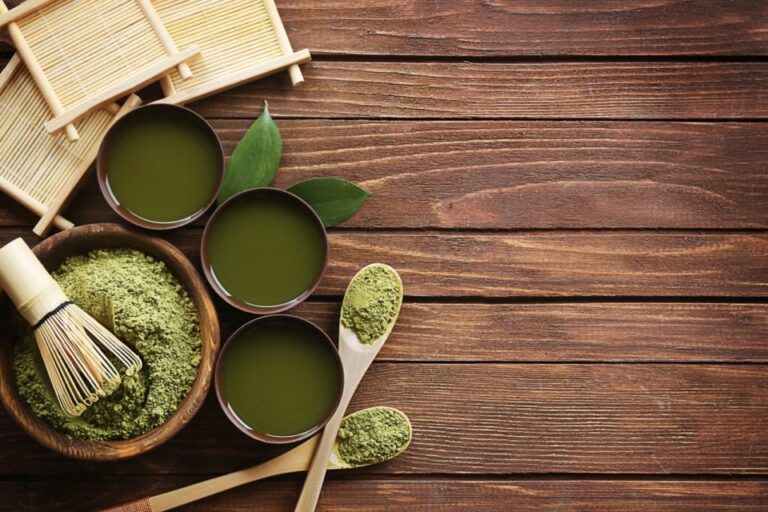
Where appetite or chewing makes vegetables the part that slips, a concentrated greens powder mixes into food and drinks that are already going down. Greens Plus has been making them since 1989.
About the Author