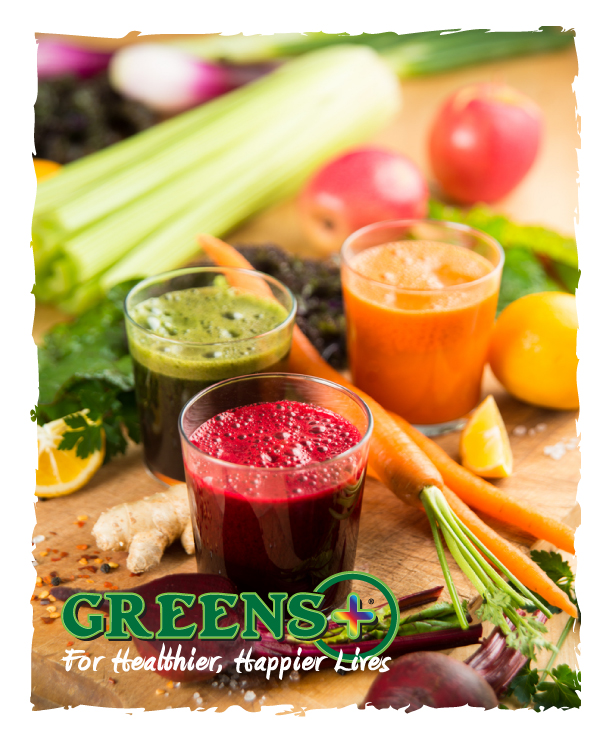
Blending keeps the whole fruit or vegetable. Juicing separates the liquid from the pulp and throws the pulp away. That single mechanical difference decides almost everything else, because the pulp is where the fiber is, and fiber is the component Americans are furthest from getting enough of.
That is the short answer, and it is the opposite of what this blog used to say. What follows is the reasoning, the evidence on both sides, an explicit correction to the claims we published years ago, and the narrow set of cases where juice still earns a place.
What juicing actually removes
A juicer is a separation device. It extracts water, sugars, some vitamins, minerals and polyphenols, and discards the insoluble cell-wall material along with a good share of the soluble fiber bound up in it. What is left in the glass is a concentrated sugar solution with nutrients dissolved in it.
That would be a reasonable trade if fiber were abundant elsewhere in the diet. It is not. The Daily Value is 28 grams, and a 2015 review in the American Journal of Lifestyle Medicine estimated that only about 5% of the US population reaches the recommended intake. Discarding fiber to make a drink more convenient removes the scarcest thing in the container.
A blender does no separating. Whatever goes in stays in, cut smaller. The fiber is disrupted but not removed, which is a materially different thing.
| Whole fruit or vegetable | Blended | Juiced | |
|---|---|---|---|
| Fiber | Intact | Retained, physically broken up | Largely discarded with the pulp |
| Sugars | Held inside cell walls | Partly released | Free in solution |
| Chewing and satiety signals | Full | Reduced | Minimal |
| Produce used per serving | One portion | One to two portions | Several portions |
| Waste | None | None | The pomace |
A correction to what this blog used to publish
The earlier version of this article made three claims that do not hold up, and naming them is more useful than quietly deleting them.
It said juicers “pre-digest” fruit and vegetables and that removing fiber “maximizes the absorption” of nutrients. Removing fiber does speed sugar absorption, which is not the same as improving nutrition, and the fiber is not an obstacle to be cleared. It is the part most diets are missing.
It described enzymes as “the spark of biological life” and said juicing was the best way to consume them. Enzymes are proteins. Swallowed proteins are denatured by stomach acid and broken down by digestive proteases like any other protein, so plant enzymes in a glass of juice do not arrive intact to catalyze anything in your body. The claim was popular in the 2010s and it was never sound.
It also credited juice with stimulating “elimination processes” and priming the metabolism. That is a detox claim in quieter clothing, and it belongs in the same bin as the rest of them.
Sugar delivery, and why the form matters
The nutritional case against juice is not that its sugar is different from the sugar in fruit. It is the same sugar. The difference is how fast it arrives and how little else comes with it.
The American Academy of Pediatrics made the point plainly in its 2017 policy statement in Pediatrics, noting that juice’s high sugar content contributes to increased calorie consumption, and that the lack of protein and fiber can predispose to inappropriate weight gain. Whole fruit carries its sugar inside cell walls that must be broken down, and it carries fiber, bulk and chewing along with it. Juice carries none of that.
This is also why blending is not a compromise version of juicing. A blended drink keeps the fiber that slows the whole process down, which is the reason it behaves more like food than like a soft drink. Our green smoothie recipes cover the ratios that work if you want to go that way, and our piece on apple pectin and soluble fiber covers what that fraction does.
What the mortality cohort found
The most-cited recent evidence on fruit juice is a 2019 cohort analysis in JAMA Network Open, drawn from the REGARDS study.
Researchers followed 13,440 Black and white US adults aged 45 and over for a mean of 6.0 years, after excluding people with existing cardiovascular disease or diabetes at baseline. Each additional 12-ounce daily serving of sugary beverages was associated with an 11% higher all-cause mortality risk, and each additional 12-ounce daily serving of 100% fruit juice with a 24% higher risk (Collin et al., 2019).
That result deserves its caveats stated at the same volume as the headline. It is observational, so it cannot establish cause. Intake was measured by food frequency questionnaire, which is imprecise. Six years of follow-up in adults over 45 is a short window, the authors themselves called for longer and better-powered work, and similar associations were not observed for coronary heart disease mortality. It is a reason to treat juice as a drink rather than a serving of fruit. It is not proof of harm.
Cleanses and detox claims, retired
Juice cleanses are the part of this subject with the weakest evidence and the loudest marketing. A critical review in the Journal of Human Nutrition and Dietetics examined the detox literature and reported that no randomized controlled trials had been conducted to assess the effectiveness of detox diets in humans, and that the handful of commercial-diet studies available were hampered by flawed methodology and small samples.
NCCIH reaches the same place, stating there is no compelling research supporting detox diets for weight management or for eliminating toxins, and listing specific risks: bacteria in unpasteurized juices, high-oxalate foods for people prone to kidney stones, dehydration from laxatives, and headaches, fainting and weakness from extreme fasting.
The oxalate risk is not theoretical. A 2013 case report and review in The American Journal of Medicine described oxalate nephropathy following an intensive juicing regimen, with calcium oxalate crystals confirmed on renal biopsy. Green juices concentrate oxalate from large volumes of leafy greens, which is precisely the mechanism.
The claim that a juice program removes toxins has never identified which toxins, by what route, measured how. Where a detox claim appears on a label, it is a statement about the marketing budget. We retired the same claim in the chlorella literature for the same reasons, which we set out in our piece on chlorella and the detox story.
Oxidation, storage and safety
Fresh juice is chemically unstable. Vitamin C is the clearest case: NIH’s Office of Dietary Supplements notes that the vitamin C content of food is reduced by prolonged storage and by cooking, since ascorbic acid is water soluble and destroyed by heat. Juicing exposes a large surface area to air, light and warmth at once, so drinking it soon after making it is a real advantage rather than a marketing line.
The safety question is more consequential than the vitamin one. FDA warns that bacteria from produce can end up in fresh-squeezed juice and cider, and requires untreated packaged juice to carry a warning that it “has not been pasteurized and therefore may contain harmful bacteria.” Children, older adults, pregnant women and immunocompromised people risk serious illness from untreated juice. Juice sold by the glass at a market or a juice bar is not required to carry that warning at all.
Cost, waste, and where juice legitimately fits
Juicing is the most expensive way to eat produce. A single glass consumes several portions of fruit or vegetables, most of the mass leaves as pomace, and the equipment costs more and takes longer to clean than a blender. If a household is choosing between a juicer and buying more frozen vegetables, the vegetables win on every measure.
None of which makes juice illegitimate. It counts as fruit: USDA’s MyPlate guidance includes 100% juice in the fruit group, against an adult target of one and a half to two cups of fruit a day. A modest glass is a reasonable way to reach part of that, and juice is genuinely useful for people with reduced appetite, difficulty chewing or swallowing, or high energy needs and low food volume.
For children the limits are specific. The American Academy of Pediatrics recommends no fruit juice before 12 months and no more than 4 to 6 ounces a day for children aged one to six.
Common questions
Is blending better than juicing?
For most purposes, yes, and the reason is mechanical rather than mystical: blending keeps the fiber and juicing discards it. Blending also wastes no produce and needs less of it per serving. Juicing has a narrow set of legitimate uses, but a general preference for it over blending is hard to defend.
Does blending destroy nutrients?
Not in any way that shows up as a practical problem. Blades break cell walls and expose contents to air, and some vitamin C oxidizes over time, which is an argument for drinking it promptly rather than for avoiding blenders. The fiber, minerals and most polyphenols are unaffected.
Should I do a juice cleanse to reset after a bad stretch?
There is nothing to reset, and no trial evidence that a juice program does anything a few ordinary days of eating would not. The documented outcomes of these programs are short-term water and glycogen loss, hunger, and in the reported cases above, avoidable harm.
Does a greens powder do the same job as a green juice?
They are different products with a similar flavor profile. A powder is dried whole plant material, so it keeps a small amount of fiber that a juice does not, but a 5 to 10 gram scoop is not a substitute for either juice or vegetables. Neither is a source of the bulk that a diet short on fiber needs.
The practical position
Blend if you want a drink made of produce, and eat the fruit whole when there is time. Treat juice as a drink you enjoy in a small glass, not as a serving of vegetables and not as a program. Nothing in the evidence supports the cleanse, and quite a lot of it argues against.
If what you actually want from a green drink is plant variety rather than volume, a fully disclosed powder is the more honest version of that idea, and ours are at Greens Plus.
These statements have not been evaluated by the Food and Drug Administration. This product is not intended to diagnose, treat, cure or prevent any disease.
About the Author