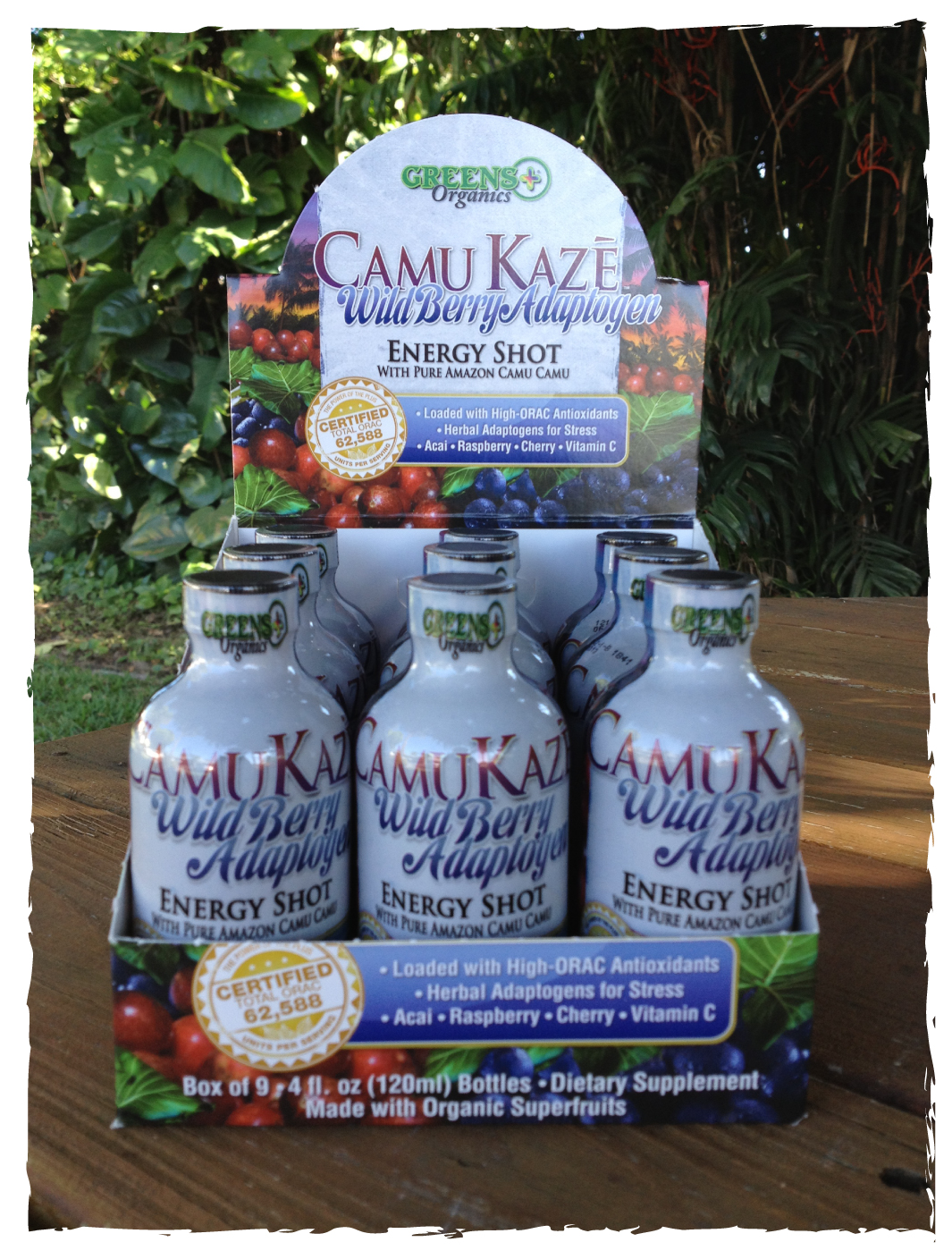
The things that raise energy without a stimulant are slow, and most of them are not supplements. Sleep debt is the largest single factor and the one most people are carrying. After that comes iron status in anyone who might be low, vitamin D in anyone who is deficient, and regular exercise. The non-stimulant energy supplements have thinner evidence than their labels suggest, and this blog once made some of the worst claims in that category. What follows is what the trials found, and where they stop.
What “more energy” actually means
Energy in the marketing sense is a feeling: alertness, drive, the absence of tiredness. Energy in the biochemical sense is ATP, which every cell makes continuously from food and oxygen. Conflating the two is the oldest move in supplement copy. A healthy person is not short of ATP.
The earlier version of this post did exactly that. It claimed a product raised energy “at the cellular level” by “enhancing efficiency of mitochondria to produce abundant amounts of ATP,” and that adaptogenic herbs would “increase energy production, enhance oxygen utilization, decrease cortisol levels.” None of that was supported by human evidence then and none of it is now. The product is discontinued and the claims were wrong when we made them. We are withdrawing them.
Sleep debt is the biggest single factor
The clearest experiment is Van Dongen and colleagues’ 2003 study in Sleep, which randomized 48 healthy adults aged 21 to 38 to 4, 6 or 8 hours in bed per night for 14 consecutive days, alongside a 3-day total sleep deprivation condition.
Two results matter. Lapses in attention accumulated in a near-linear way with cumulative excess wakefulness and showed no sign of levelling off across the two weeks in the 4-hour and 6-hour groups. And subjective sleepiness ratings rose sharply at first, then barely moved. They did not distinguish the 6-hour group from the 4-hour group at all.
The second finding is the useful one. People who are chronically short on sleep stop noticing how impaired they are while the impairment keeps growing. Nothing here has an effect near the size of an extra hour a night.
The nutrient shortfalls with real trial evidence
Iron, and why testing comes before supplementing
Iron is the deficiency most often behind unexplained tiredness, particularly in menstruating women. Verdon and colleagues’ 2003 double-blind randomized trial in the BMJ gave 144 non-anemic women aged 18 to 55 with unexplained fatigue either 80 mg of elemental iron daily or placebo for four weeks. Fatigue fell 29 percent in the iron group against 13 percent on placebo, a difference of 0.95 points on a 10-point scale (95% CI 0.32 to 1.62, p = 0.004). Only the women with serum ferritin at or below 50 µg/L improved.
The wider picture is more measured. Houston and colleagues’ 2018 systematic review in BMJ Open pooled 18 randomized trials and 1,170 iron-deficient non-anemic adults. Iron reduced self-reported fatigue and raised hemoglobin and ferritin, but did not improve objective physical capacity such as maximal oxygen consumption. The benefit was in how people felt, not what they could do.
So this is a blood test, not a guess. The NIH Office of Dietary Supplements notes that ferritin below 30 µg/L suggests iron deficiency, sets the tolerable upper intake level at 45 mg a day for adults, and describes gastric upset, constipation and nausea at higher doses. People with hereditary hemochromatosis are advised to avoid iron supplements entirely. Taking iron on an assumption is the one move here with a real downside.
B12 and folate
The ODS fact sheet on B12 puts deficiency at roughly 3.6 percent of US adults over 19 and insufficiency at 12.5 percent, with higher rates in older adults; atrophic gastritis affects 8 to 9 percent of adults over 65 and reduces absorption. Long-term metformin or proton pump inhibitor use, and eating no animal foods, are the other risk factors. Fatigue is among the listed symptoms.
The same document is blunt about everyone else: “vitamin B12 supplementation appears to have no beneficial effect on performance in the absence of a nutritional deficit.” A B12 shot or a B-complex energy formula does nothing detectable in a person whose B12 is already adequate. Folate follows the same logic.
Vitamin D
Nowak and colleagues’ 2016 trial in Medicine randomized 120 otherwise healthy adults who reported fatigue and had serum 25(OH)D below 20 µg/L to a single 100,000-unit dose of vitamin D3 or placebo. At four weeks the fatigue assessment scale fell 3.3 points in the vitamin D group against 0.8 on placebo (p = 0.01), and improvement correlated with the rise in 25(OH)D.
That is one trial, in deficient people, using a large single dose and a subjective endpoint. It is not evidence that vitamin D changes tiredness in people whose levels are already normal. Our piece on vitamin D and sunlight covers status and testing.
Hydration, meals and the afternoon dip
Hydration has a small, real effect on how people feel. Armstrong and colleagues’ 2012 study in the Journal of Nutrition put 25 young women through placebo-controlled 8-hour trials and found that 1.36 percent dehydration produced significantly worse fatigue-inertia and vigor-activity scores, more perceived task difficulty and more headache, while most measures of cognitive performance were unaffected. Mild dehydration changed the mood, not the machinery. More in our piece on hydration.
Meals are murkier than the popular story allows. The blood-sugar-crash account of the mid-afternoon slump is widely repeated and poorly evidenced. Marchand and colleagues’ 2020 double-blind crossover trial in the British Journal of Nutrition gave 65 young adults a dessert sweetened with either higher-glycemic sucrose or lower-glycemic isomaltulose, and found no significant difference on any memory measure at 60 or 120 minutes. The authors noted the null result was consistent with other properly blinded work.
What survives is unglamorous: eat enough at lunch not to be hungry at three, and treat a very large lunch as a predictable cause of afternoon sleepiness. That is a comfort argument, not a metabolic one.
Exercise, and the adaptation that is genuinely real
Training changes muscle in ways visible in a biopsy. Granata, Jamnick and Bishop’s 2018 review in Sports Medicine concluded that training volume appears to be the critical factor for increases in mitochondrial content, while relative exercise intensity drives changes in mitochondrial respiratory function, and that the two often move independently. This is the one place where mitochondria belong in a conversation about energy, and the change comes from training rather than a bottle.
The subjective effect is smaller and more contested. Puetz, O’Connor and Dishman’s 2006 meta-analysis in Psychological Bulletin found a mean effect of 0.37 for chronic exercise on feelings of energy and fatigue, but reported that trials using a placebo control and testing exercise on its own found no effect at all. Some of what looks like an exercise benefit in unblinded trials is expectation.
That is a reason to be modest about the size of the effect, not to skip it, and starting gentler than seems necessary is sensible for anyone already tired. The dose the guidelines are built on is covered in our piece on physical activity.
The non-stimulant supplements, and where this evidence thins out
One has something behind it, and it is not dramatic. Tsai and colleagues’ 2022 meta-analysis in Frontiers in Pharmacology pooled 13 randomized trials and 1,126 participants and found coenzyme Q10 reduced fatigue scores against placebo, with a Hedges’ g of −0.398 (95% CI −0.641 to −0.155). Most of those trials were in people with a diagnosed condition, the fatigue scales differed between trials, and larger doses and longer durations correlated with larger effects, a pattern that can also reflect small-study bias.
The rest of the category is weaker. NCCIH’s assessment of rhodiola is that most human research is of low-to-moderate quality and there is not enough reliable evidence to say it is useful for any health-related purpose. The broader adaptogen literature has the same problems: small samples, inconsistent preparations, short durations, self-reported outcomes. Cortisol, which adaptogen marketing leans on heavily, swings widely across a normal day and is a poor stand-in for how a person feels.
Two structural problems run through all of it. Fatigue is measured on self-report scales that differ between trials, which makes pooling shaky. And any trial of something people expect to work, without a convincing placebo, will overstate it, the same problem the exercise meta-analysis found.
When persistent fatigue is a reason to see a doctor
Tiredness that does not resolve with sleep, or that has changed noticeably, is a medical question rather than a nutrition one. It can be a symptom of anemia, thyroid disease, sleep apnoea, diabetes, depression, coeliac disease, an infection, or a side effect of a medication already being taken.
A 2023 review in American Family Physician reported that 5 to 10 percent of primary care patients present with fatigue, and that in one study of young adults with new fatigue only 27 percent received a diagnosis that explained it: anemia, B12 deficiency, infection and pregnancy among the most common. It also noted that untargeted laboratory testing changed treatment in about 5 percent of patients, which is why the history matters more than a broad panel.
Reasons to make an appointment rather than change a routine: fatigue lasting more than a few weeks with no obvious cause; heavy menstrual bleeding; snoring with witnessed pauses in breathing, or waking unrefreshed after adequate hours; unintended weight change; breathlessness on ordinary exertion; low mood or loss of interest lasting two weeks or more. None of that is a reason for alarm, and all of it is a reason to be seen.
Common questions
Will a B-complex or B12 supplement give me more energy?
Not if B12 status is already adequate. The NIH Office of Dietary Supplements states that B12 supplementation appears to have no beneficial effect on performance in the absence of a nutritional deficit. It is genuinely useful for people who are deficient, and that is a blood test rather than a guess.
Should I take iron if I feel tired all the time?
Not without testing. The trial evidence applies to people with low ferritin, and only that group improved in the 2003 BMJ trial. Iron has a tolerable upper intake level of 45 mg a day for adults, causes gastrointestinal side effects at higher doses, and is specifically avoided in hereditary hemochromatosis.
Do adaptogens work for energy?
The evidence does not support the claims made for them. NCCIH concluded that most human research on rhodiola is of low-to-moderate quality and does not establish usefulness for any health purpose. Trials across the category are small, short and use inconsistent preparations.
Are energy drinks a reasonable alternative?
They are a caffeine question, not a nutrition one. The caffeine content, the cardiovascular trials and the adolescent evidence are covered in our piece on energy drinks.
What this comes down to
Sleep first, because nothing else competes with it. Then a blood test if the tiredness has been going on, because iron, B12 and vitamin D are the shortfalls with real trial evidence behind them and all three are cheap to check. Then movement, starting easier than seems necessary. Supplements are the last and smallest item on the list.
Food settles most of this. A green superfood powder is a way of closing the vegetable gap in an ordinary week rather than a source of energy in the marketing sense. Ours contains no stimulants, and the case for it is nutritional. You can read it at Greens Plus.
About the Author