
Greens Plus is an American superfood company selling green powders, energy and protein bars, whey protein and a few capsule products. It dates its start to 1989. What follows is its own account of itself, drawn from the record it left behind — press releases, product launches, testing programs, old blog posts — not the story it would prefer to tell. Where that record is thin, inconsistent or out of date, this page says so. Everything below either comes from a document or has been left out.
What the company makes
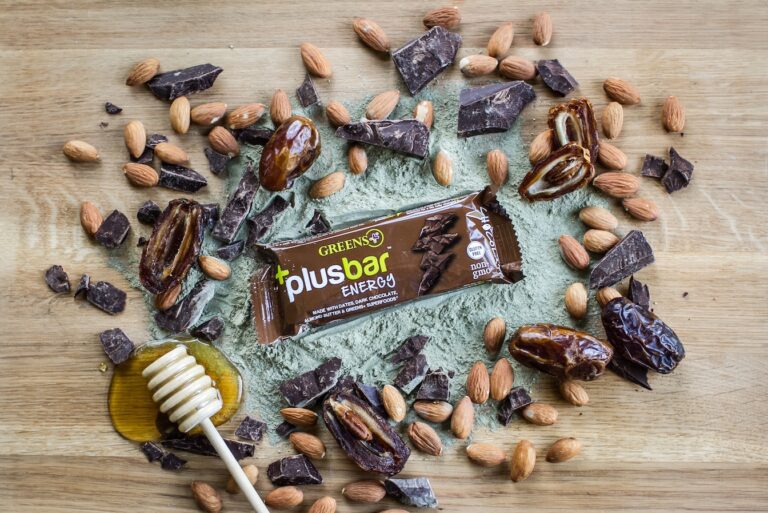
The line is short. Two organic superfood powders, Wild Berry and Reds. Four bars: +PlusBar Energy and +PlusBar Protein, each in Chocolate and Natural. A chocolate protein shake and a greens-based vanilla whey. Then Greens Plus capsules in a 240-count bottle, Camu Camu vitamin C capsules, and Thermo Lean.
All of it descends from one product: a powder of dried plant concentrates stirred into water or juice. Bars, capsules and protein blends came later. The powder is still the center of the catalog.
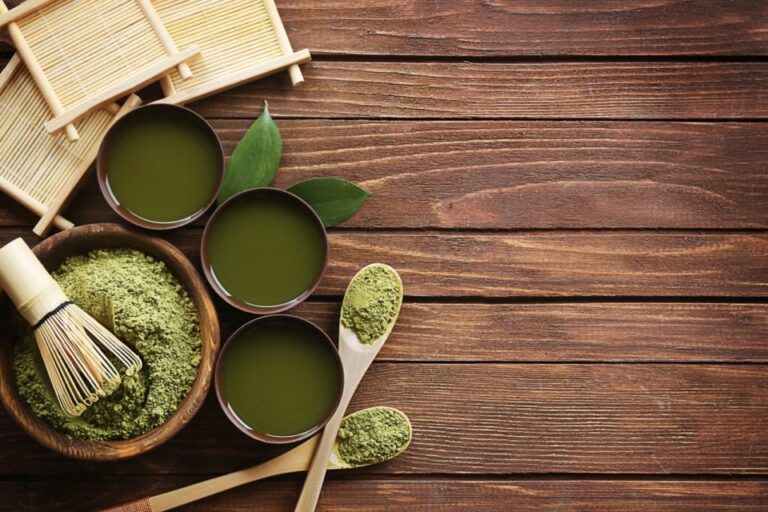
A greens powder is a convenience food. It is dried plants in a bottle, and it exists because most people do not eat many plants. It is not a substitute for vegetables. Our guide to reading a greens powder label covers what actually separates one from another.
Where the formula came from
Greens Plus was created by Sam Graci, who developed the formula across the second half of the 1980s. Graci had worked with children in the Canadian education system in the late 1970s and became interested in what changed when their diets changed. He built a green drink out of whole-food concentrates rather than isolated synthetic vitamins — a preference that still runs through the products, and one we have written about in whole-food versus synthetic nutrient forms.
The first person to drink it was his sister-in-law, Lani Deauville. The company dates its founding to 1989 and marked its twentieth anniversary on April 6, 2009 with a reception at its Vero Beach, Florida headquarters, where it also unveiled a new brandmark and the line “The Power of Plus.”
Lani Deauville
Deauville is named as a co-founder in the company’s own materials. In 1958, at seventeen, she injured her third, fourth and fifth cervical vertebrae in a diving accident and was diagnosed with quadriplegia.
What she did afterward is a matter of public record. She earned an undergraduate degree at the University of South Florida with honors, worked as a rehabilitation psychologist, and helped draft universal-access legislation that became Florida law in 1974. President Ford honored her at the White House in 1976 as Disabled Employee of the Year. In 1980 she became the first woman and the first disabled person to direct the Florida State Vocational Rehabilitation Agency — the agency that had handled her own rehabilitation. Company posts record that Guinness World Records later recognized her as the world’s longest-living quadriplegic. She wrote a memoir, Life in the Land of Is, and died in the summer of 2012.
Her health is the reason the formula exists, and the company has told that story for three decades. It is not repeated here as a claim about what the products do. One person’s experience is not evidence.
What goes in, and what has come out
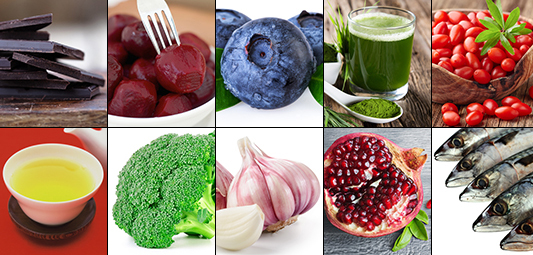
The formula has always been assembled from concentrated whole foods rather than a list of isolated nutrients. Cereal grasses, freshwater and marine algae, fruit and berry concentrates, apple pectin fiber and probiotic cultures have all appeared in it across three decades. Individual ingredients are covered elsewhere on this blog — spirulina, chlorella, and the wider set of botanicals used in a greens blend.
What has come out matters as much. The original powder used soy lecithin, and the company argued publicly for years that it belonged there. Greens Plus Organics, launched in 2010 as Organic Superfood and Amazon Chocolate at $29.95 for a thirty-serving bottle, was defined by omissions: no soy lecithin, no bee products, no standardized herbal extracts, only certified organic ingredients. The current line is soy free, gluten free and dairy free throughout.
Sourcing and testing
The cereal grasses — wheat, barley, alfalfa and oat — come from growers in the Great Plains of Colorado and Kansas, cut before the jointing stage and dried at low temperatures. Blending and packing happen in dedicated facilities under Good Manufacturing Practices, and a production step the company calls Infrared Activation is described on its site as patent pending.
Certification is the part a buyer can check independently. Products carry the USDA Organic seal, Non-GMO Project verification, vegan and kosher marks; Oregon Tilth appears as a certifier on the current site, and Organic Certifiers and Quality Certification Services on the sourcing page. Every Greens Plus product is currently manufactured under the FDA’s current Good Manufacturing Practice rules for dietary supplements and holds a current cGMP certification; the company was also certified under the Natural Products Association GMP program as far back as 2009. In more than three decades of trading it has never recalled a product.
The clearest testing record is from 2011 and 2012. After the Fukushima Daiichi accident, Greens Plus required every lot of Japanese green tea and chlorella to arrive with an independent radioactivity certificate, then ran its own tests through Eurofins Scientific‘s laboratory in Des Moines, Iowa, on the Japanese green tea and chlorella and the Hawaiian spirulina. It tested for cesium-134 and cesium-137 rather than the industry-standard iodine-131, on the reasoning that iodine-131’s eight-day half-life makes it a poor marker. The reporting floor was 3 becquerels per kilogram, and finished blends were tested again before bottling.
Claims this blog will not repeat
The archive contains claims that do not survive an honest read. Older posts said a serving equalled five servings of fresh fruits and vegetables, described the formula as alkalizing, and published comparative antioxidant rankings drawn from ORAC scores and a cell-culture assay commissioned at Brunswick Laboratories in 2012.
None of that appears here. The USDA withdrew its own ORAC database in 2012 on the grounds that the values had no demonstrated relevance to human health, and a cell-culture antioxidant result does not predict what happens in a person. “Alkalizing” describes nothing that food does to blood pH. These claims were ordinary for the category at the time. They were still wrong, and retracting them here seems better than deleting them quietly.
Who runs it now
Greens Plus is owned and operated by NutriScience Corporation, whose chief executive is Gerry Morton. The storefront trades as Greens Plus, LLC and lists an address in Manhattan Beach, California; the company was headquartered in Vero Beach, Florida through at least 2013. Sam Graci stayed with the brand as its formulator long after the founding, visiting the Vero Beach office in 2011. Christopher Daniels was executive vice-president in 2013.
One documented older habit: for more than a decade up to 2011, the company donated powder to World Harvest Missions and the New Life Children’s Home in Haiti.
Common questions
When was Greens Plus founded?
1989. The company celebrated its twentieth anniversary on April 6, 2009 at its Vero Beach headquarters. The formula was developed across the second half of the 1980s.
Who owns Greens Plus?
NutriScience Corporation owns and operates the brand, and Gerry Morton is its chief executive. Acquisition dates and prior ownership history are not published here because we have not been able to document them.
Is Greens Plus organic?
The current superfood powders carry the USDA Organic seal and Non-GMO Project verification, and the line is vegan, kosher, soy free, gluten free and dairy free. The original 1989 formula was not fully organic. The certified organic line arrived in 2010.
What happened to the old products?
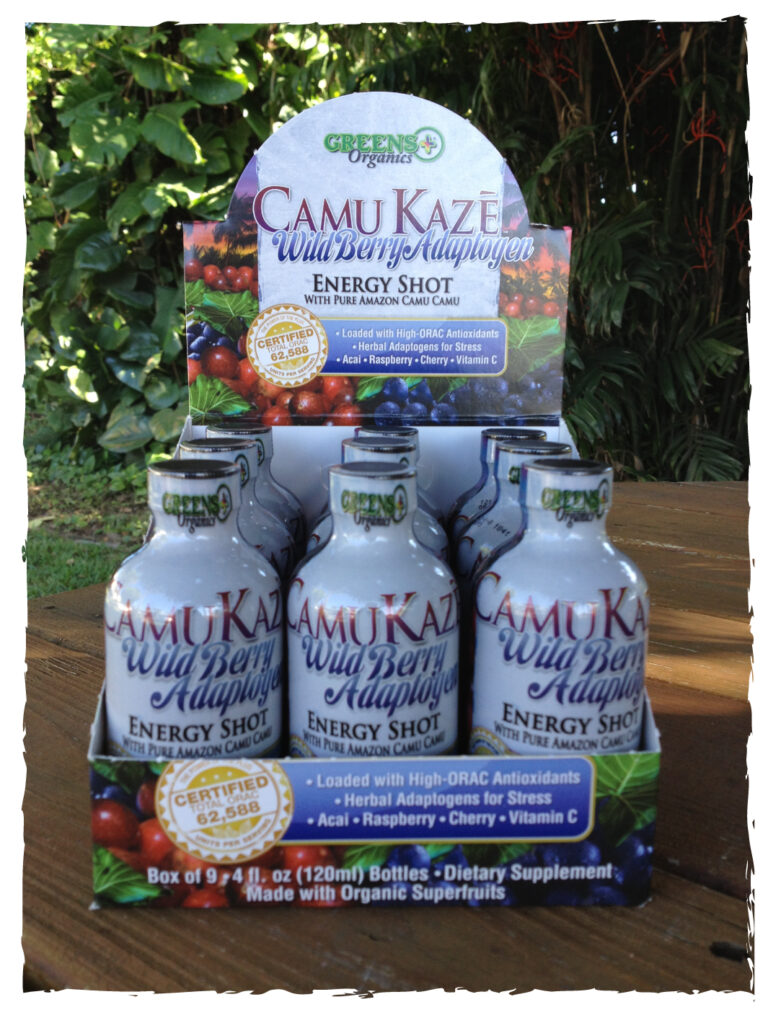
Many are gone. Orange Greensicle powder, Omega-3 Chia, the coffee line, the PAWS chewables for pets and the 22 Days bars made with exercise physiologist Marco Borges all belong to the 2009 to 2013 period.
How this page was written
A company’s own story page is the easiest place in the world to exaggerate. This one was written the other way around: dates taken from documents, gaps left visible, old claims retracted rather than buried. Several things are missing — when the brand changed hands, whether the Fukushima-era testing program still runs, which facility packs the powder today — because we could not verify them.
The current products, ingredient lists and labels are at greensplus.com.
About the Author